Music for
 ✦
✦
 ✦
✦
 ✦
✦
 ✦
✦
 ✦
✦
 ✦
✦
 ✦
✦
 ✦
✦
 ✦
✦
 ✦
✦
 ✦
✦
 ✦
✦
Matt Mosquito makes AI-crafted films with broadcast-grade original music — written, directed, composed and cut by one person. Twenty years of TV pedigree, pointed at what's next.
✦
✦
✦
✦
✦
✦
✦
✦
✦
✦
✦
✦
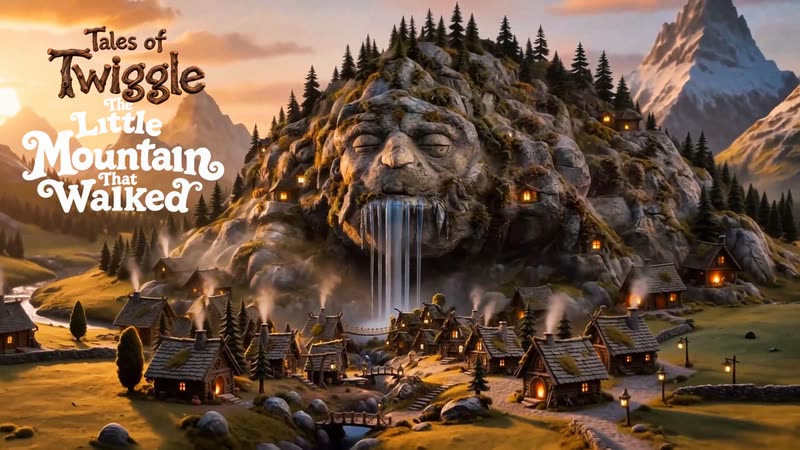
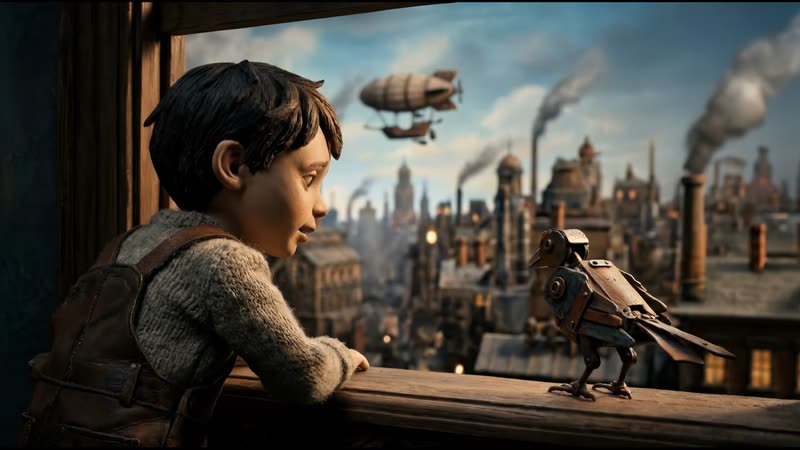
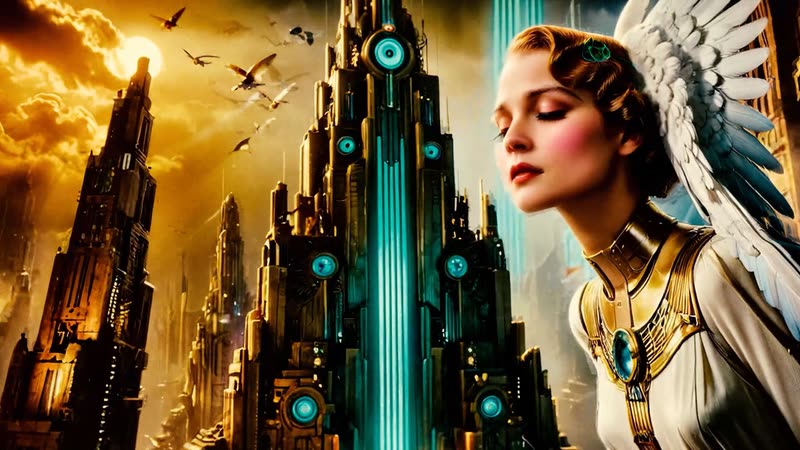
Stop-motion souls, steampunk hearts, machine-dream craft — every frame directed, every note composed, under one roof (mine).
Most productions hire a director, then an editor, then a composer, then a sound designer — and lose the idea somewhere between the handoffs. Here, the person scoring the film is the person who shot it. Film and music, in half the time, on one invoice.
A scroll-stopping short with original sound, built for feeds.
A full cinematic piece with a score written for it — not licensed near it.
A whole campaign world: films, stings, idents and a musical identity to own.
Broadcast pedigree. Frontier tools. Zero committee.
Matt Thomas — Matt Mosquito to the credits — has spent two decades scoring television: Warner Bros drama, Disney songs, a Pringles Christmas heard across Europe, Emirates cabins at 38,000 feet, and the official opening of the London 2012 Olympic Stadium.
His club tracks got picked up by Rob Da Bank for Ibiza dancefloors and Radio 1; his score for Nissan's Oculus Rift project put him at the frontier of immersive tech years before AI filmmaking existed. So when the machines finally caught up, the composer simply picked up a camera that doesn't exist — and now writes, directs, animates, edits, scores and mixes complete films as a one-person studio with a broadcaster's discipline and a mischief-maker's instincts.
"The tools are new. The taste took twenty years."
The heart stays human: his son voiced the lead in Alicanto, and every score is written the old way — by ear, for the story. AI is the crew. Matt is the studio.
AI is the crew, not the author. It handles the labour — the passes, the renders, the overnight grind — which is how one person now delivers what used to need a team and a month. What it never does is decide. Every creative call is mine: what the shot is, where the cut lands, what the music does underneath it. It also makes options cheap — if a bespoke track needs six remixes to sit right against picture, you get six, and then I tell you which one is right.
Original, every time. The score is written for your film — by ear, for the story — the same way it was written for twenty years of television. Nothing is pulled from a library and nothing is cleared secondhand, so what ends up under your picture exists nowhere else.
Faster than you are expecting. A bespoke piece of music: two days. A complete storyboard and film outline: two days, depending on duration. Full film production: one to two weeks. That is not a corner-cutting timeline — it is what happens when nothing sits in a queue between a director, an editor, a composer and a sound designer, because they are all the same person.
Every job is quoted bespoke, because “a film” covers everything from a fifteen-second social cut to a campaign with its own musical identity. What moves the number is scope — duration, how many deliverables, how much world needs building — rather than an hourly rate. What does not change is that one invoice covers direction, animation, edit, score and mix, which is usually where the saving shows up: you are not paying four suppliers to hand work to each other. Send the brief, however rough, and a straight figure comes back.
Yes. Two decades of scoring other people’s pictures came long before any of this, so a score-only commission is the oldest thing on the menu — drama, advert, title sequence, sonic identity. The reverse works too, though hiring a composer to direct and then not using the composer is a curious way to spend a budget.
All of it — direct with brands, through agencies, and with individual creatives: directors, producers, founders with a good idea and no crew. The studio is one person, so there is no account layer in the way. You talk to whoever is doing the work, because that is the same person either way.
Yes, routinely. Working to a brand book — palette, tone, typography, an existing sonic identity — is the normal condition of broadcast and advertising work, not an obstacle. Send the guidelines along with the brief.
The finished film, mastered, in platform-ready 9:16, 1:1 and 16:9 — so nothing needs recutting for a feed. Brand Film and Campaign Suite commissions include social cutdowns as standard.
Commissions, collaborations, festivals, or a brief that scares you a little — one email reaches the entire studio.
info@mosquitomusic.com